Digital Society

DigiS - is the center for the Digital Society at Fondazione Bruno Kessler (FBK). We bring together computer science, social sciences and the humanities to understand, design and govern digital technologies that serve people, communities and public institutions.

+

Years working on digital society

Interdisciplinary research units

+

Researchers and collaborators

DigiS – Center for Digital Society at FBK

About Digital Society

DigiS is FBK’s Center for Digital Society. It coordinates research and innovation on how digital technologies transform society and how they can be governed as digital commons.

Who We Are

An interdisciplinary hub on digital society

DigiS brings together research units working on AI and data science, digital ethics and law, digital humanities, education and digital literacy, complex socio-technical systems, Earth observation and edge AI. The center connects these competences to address real-world challenges together with public institutions, communities and private actors.

  • Complex socio-technical systems
  • Language and media technologies
  • Remote Sensing
  • AI and Data Literacy
  • Edge AI
  • Digita Ethics
 

Research units across AI, data, humanities and social sciences


Main impact areas on communities, education and resilience


International projects and collaborations in recent years


People involved including researchers, fellows and students

Research Focus

DigiS organises its research around a set of interconnected domains that link AI, data and digital media with society, policy and the environment.

Complex socio-technical systems and motivational game-based systems

require ethical oversight because they directly model, influence, and motivate human behavior. Decisions and interventions at this level impact collective well-being and civic participation, demanding transparency, inclusiveness, and fairness
Language and media technologies

are central to human interaction and social communication, making ethics indispensable in ensuring that tools used for social media analysis, misinformation detection, and countering cyberbullying respect diversity, avoid biases, and promote healthier information ecosystems.

AI & Data Literacy

embody the ethical obligation to empower citizens, organizations, and policymakers to understand opportunities and risks of digital technologies. By fostering critical awareness and informed decision-making, this area strengthens democratic resilience and trust in AI systems.

Remote Sensing Applications

from civil protection to climate change monitoring, carry ethical implications as they generate knowledge with direct consequences for societies and ecosystems. Ensuring trustworthy AI in these contexts means guaranteeing reliability, accountability, and equitable access to information that supports sustainability and risk mitigation

Edge AI

data sovereignty. Embedding ethical principles in this domain ensures that applications are not only efficient and sustainable but also privacy-preserving and aligned with societal expectations. Through these interconnections, Digital Ethics acts as the unifying backbone of the research agenda, ensuring that technological progress across all domains remains human-centered, trustworthy, and socially beneficial.

Digital Ethics

is a cross-cutting core of the Center’s research agenda. It has the twofold purpose of ensuring that all digital technologies developed within the Center respect fundamental rights, legal standards, and democratic values, and develop tools for checking the compliance of AI systems with respect to trustworthy AI principles and to regulations (in particular, the AI Act and sectorial regulations)

Impact Areas

DigiS works with partners on concrete challenges where digital technologies can create social impact, improve public services and support democratic governance.

Communities and public administrations

Digital Empowerement

Supporting communities, cities and public institutions in co-designing, governing and using data and AI as shared digital infrastructures and digital commons.

  • Data spaces and digital twins for urban planning and public services.
  • Participation platforms and civic technologies for inclusive decision-making.
  • Evidence-based policy tools and dashboards for local and regional authorities.
Education and Literacy

Education and Literacy

Strengthening AI and data literacy among policymakers and public institutions to enable informed, responsible decisions in the digital age.

  • AI and data capacity-building programmes to support informed public decision-making.
  • Serious games and digital storytelling for cultural heritage and civic education.
  • Collaborations with museums, libraries and media organisations.
Secure and resilient societies

Secure & Resilient Societies

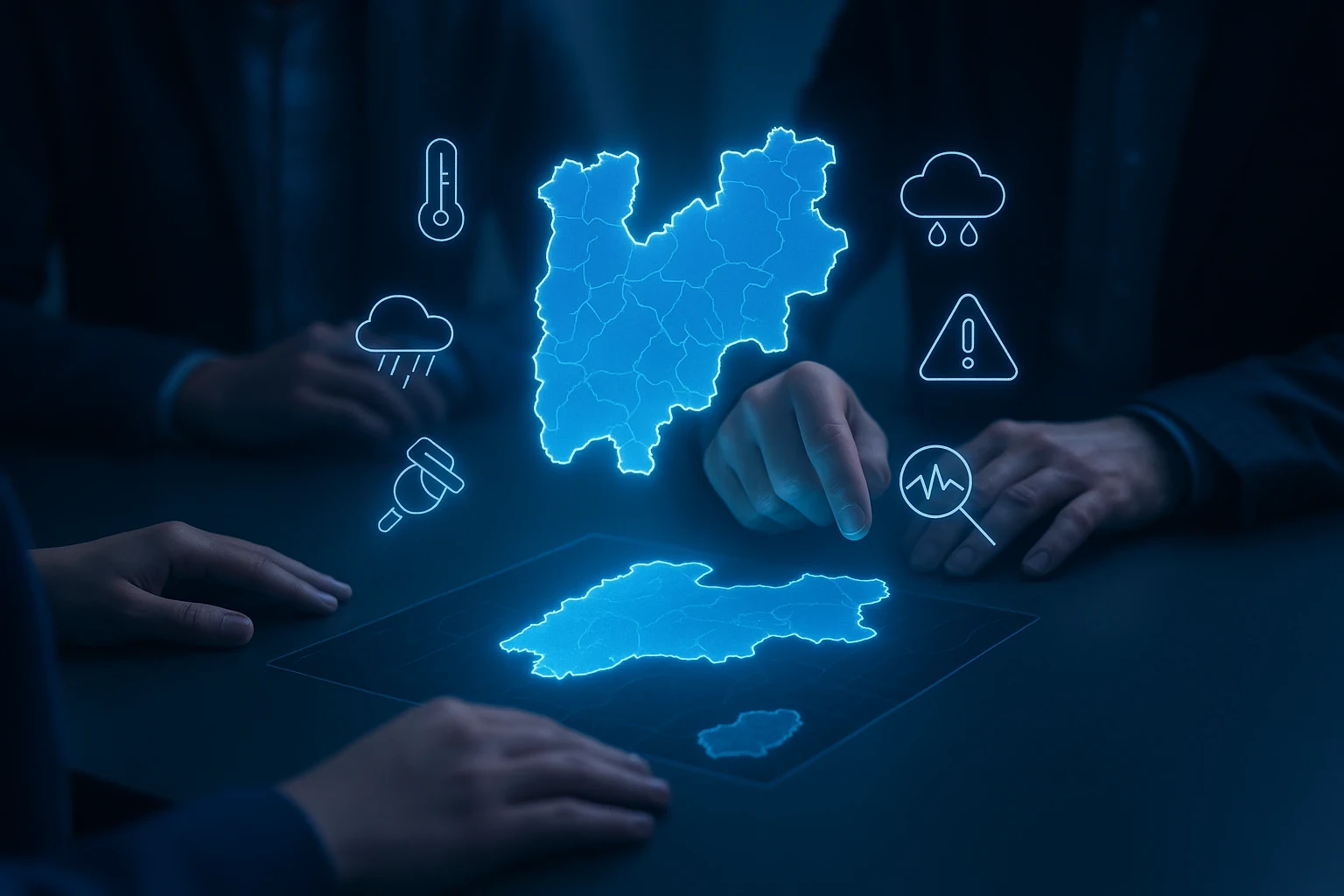
Using AI, data and remote sensing to support climate adaptation, risk management, critical infrastructure and public safety.

  • Monitoring of climate risks and urban heat islands with Earth observation data.
  • Tools to support crisis management, emergency response and resilience planning.
  • Research on misinformation, online harms and democratic resilience.

Assets & Platforms

DIGIS develops reusable digital assets – platforms, services and tools – that can be adapted and extended with partners.

AI Platform

AI Platform

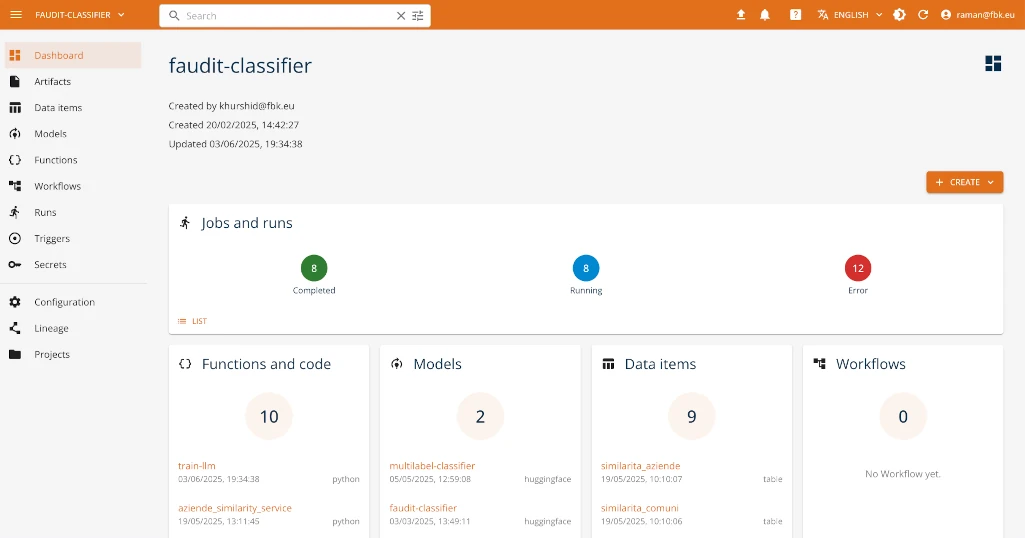
Modular open-source platform for building and managing Data & AI applications

Unit: DSLab TRL 6-7
Micromind TinyML Toolkit

Micromind TinyML Toolkit

Toolkit for hardware-aware TinyML models

Unit: E3DA TRL 5
XiNet-Pose

XiNet-Pose

Compact pose-estimation model for edge devices

Unit: E3DA TRL 5
Tiny Neural Style Transfer

Tiny Neural Style Transfer

Real-time style transfer on edge devices

Unit: E3DA TRL 5
TinyAI technologies for Face-Swapping

TinyAI technologies for Face-Swapping

Lightweight generative neural architectures for tiny devices

Unit: E3DA TRL 4
AudioAnony

AudioAnony

Edge-based audio anonymization

Unit: E3DA TRL 6
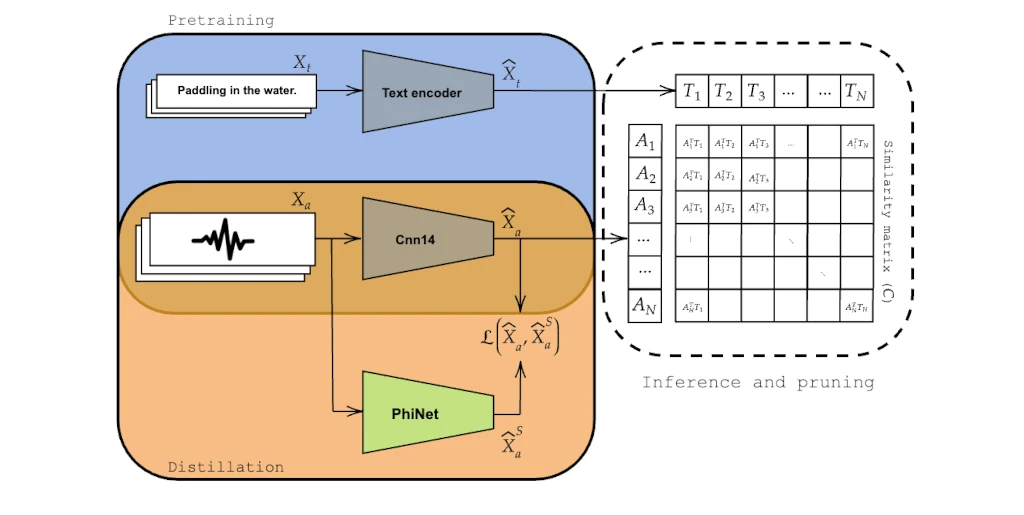
tinyCLAP

tinyCLAP

Tiny audio event classifier

Unit: E3DA TRL 4
Play&Go Platform

Play&Go Platform

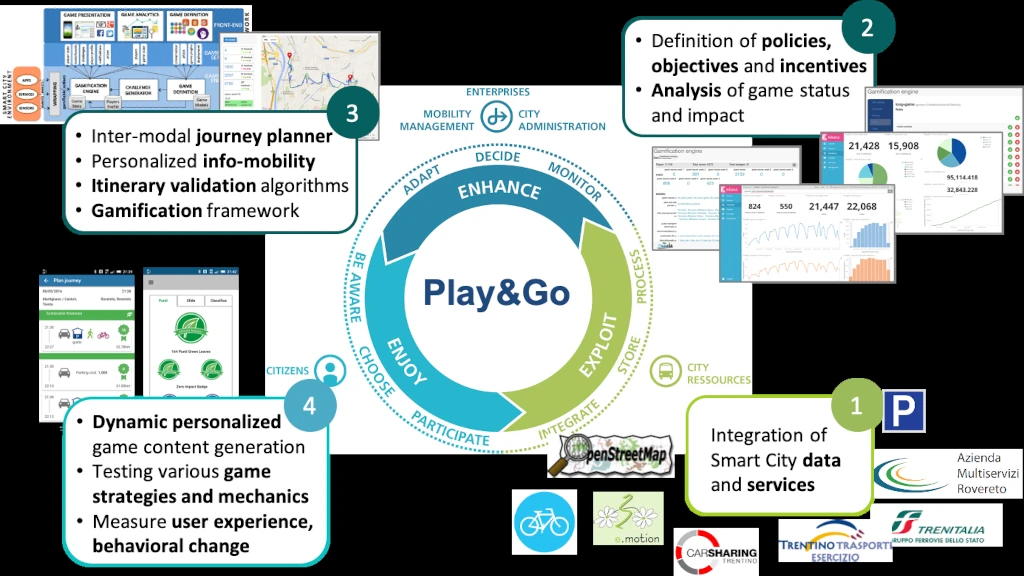
Gamified platform for sustainable mobility campaigns

Unit: MoDiS TRL 8-9
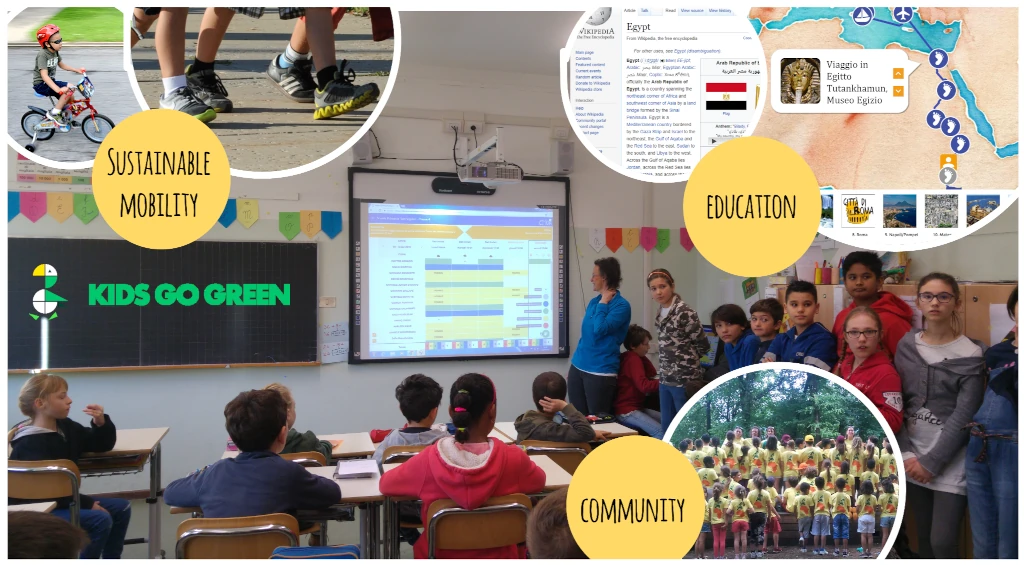
Kids Go Green

Kids Go Green

Educational mobility platform for schools

Unit: MoDiS TRL 8-9
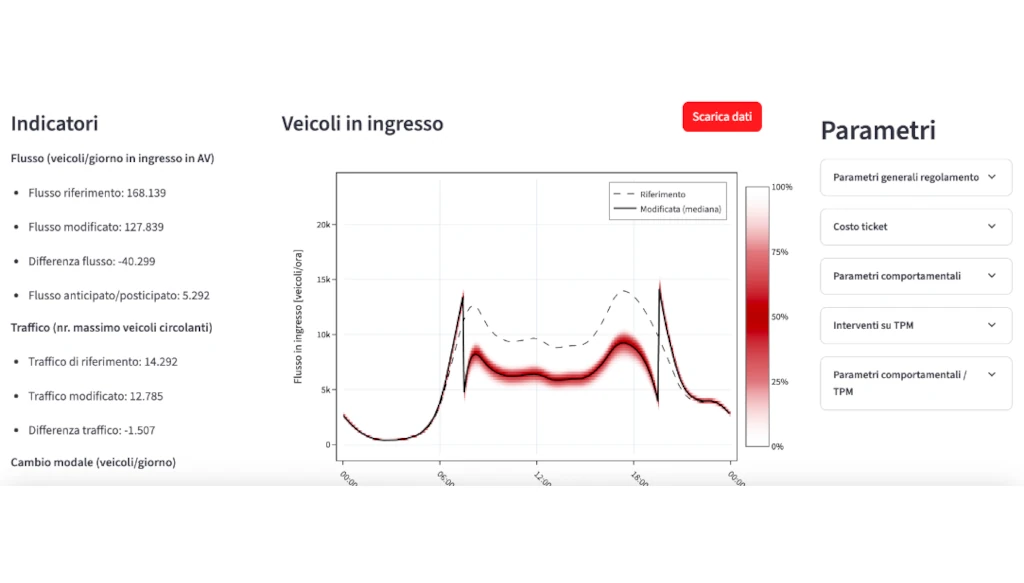
Civic Digital Twin

Civic Digital Twin

Digital twin for socio-technical systems

Unit: MoST TRL 6
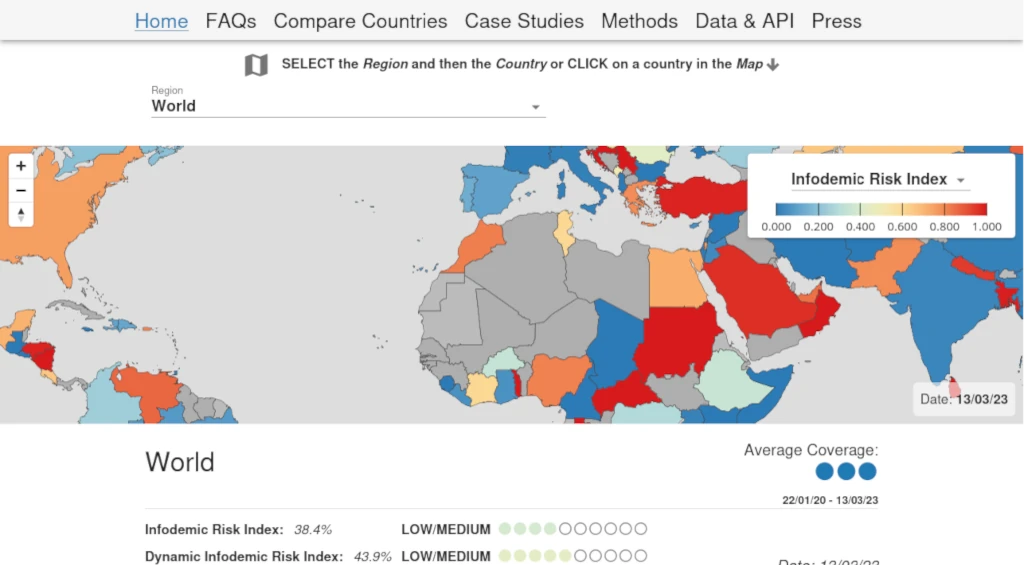
Social Media Listening Platform

Social Media Listening Platform

Modular platform for online content monitoring

Unit: DH / CHUB TRL 6-7
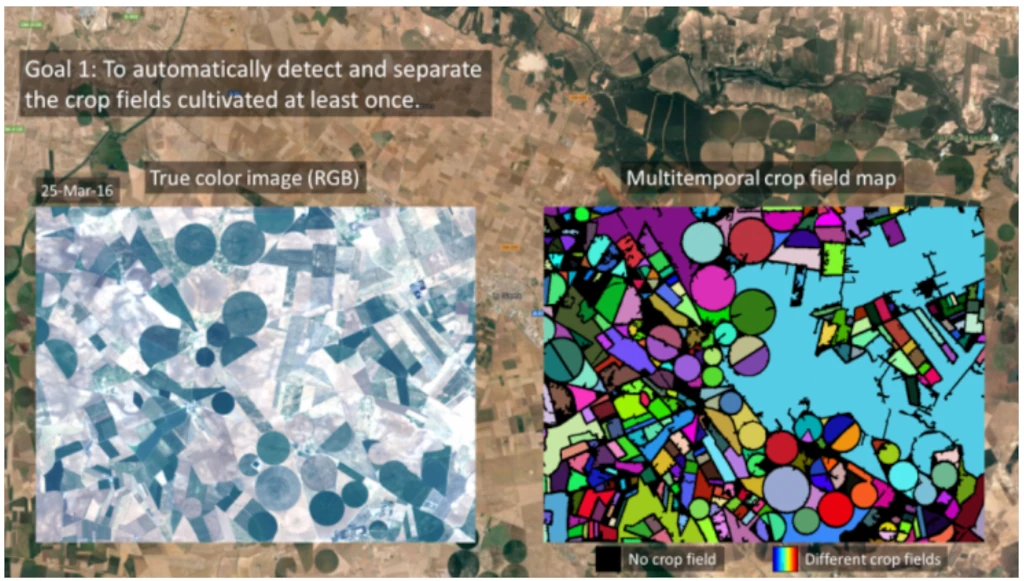
Agricultural Fields Delineation

Agricultural Fields Delineation

AI tool for crop field characterization

Unit: RSDE TRL 5
Change Detection Tool

Change Detection Tool

Environmental and disaster-induced change detection

Unit: RSDE TRL 5

Research Units

DigiS is organised into research units and support units that collaborate on projects and programmes across the Center.

Michela Milano

Michela Milano

Director of DIGIS – Center for Digital Society

Full Professor of Computer Science, University of Bologna

Michela Milano is the Director of DIGIS and a Full Professor of Computer Science at the University of Bologna. Her work focuses on artificial intelligence and optimisation, with a strong attention to the societal impact of AI.

Complex Human Behavior Lab logo

Complex Human Behavior Lab

CHuB

Data-informed statistical modelling of individual and collective human behavior

Head: Riccardo Gallotti

Digital Commons Lab logo

Digital Commons Lab

DCL

Design, development and analysis of digital commons based on open data

Head: Maurizio Napolitano

Digital Humanities logo

Digital Humanities

DH

Extraction and analysis of textual information from non-standard multilingual data to address societal issues

Head: Sara Tonelli

Energy Efficient Embedded Digital Architectures logo

Energy Efficient Embedded Digital Architectures

E3DA

Design and development of energy efficient networked embedded systems for IoT applications with AI inside

Head: Elisabetta Farella

Motivational Digital Systems logo

Motivational Digital Systems

MoDiS

Artificial Intelligence for motivation and behavior change in socio-technical systems

Head: Annapaola Marconi

Modeling and simulation of Socio-Technical systems logo

Modeling and simulation of Socio-Technical systems

MoST

AI and data-empowered modeling and simulation techniques for complex socio-technical systems

Head: Marco Pistore

Remote Sensing for Digital Earth logo

Remote Sensing for Digital Earth

RSDE

Remote sensing and AI for the digital monitoring and the sustainable management of the Earth

Head: Francesca Bovolo

Support Units

Project Management Group logo

Project Management Group

PMG

Organizing and supporting project financing and project management in Digital Society

Head: Matteo Gerosa

Digital Society Laboratory logo

Digital Society Laboratory

DS Lab

Digital platforms and advanced digital tools to support research and impact in Digital Society

Head: Raman Kazhamiakin

Contact Us

Do you want to explore new ideas, experiment with a project, or propose a collaboration?
DigiS brings together research, technology, and social impact: get in touch and let’s build the next step together.

FBK Scientific Hub

Secretariat Office

Via Sommarive 18
38123 Trento (TN), Italy

Phone: +39 0461 314 444

Email: digis@fbk.eu

More about us
read our strategy document